
India’s tourism growth story over the past decade can be summed up as one of resilience, recovery, and renewed momentum. After the pandemic shock, the Tourism Sector in India not only rebounded but also saw robust growth in its sectoral performance.
In the section below we present our views on
- India’s Long- term Tourism Potential
- Growth Segments that will be Shaping India’s Hospitality Industry
- Future Products & Investment Opportunities that will drive growth
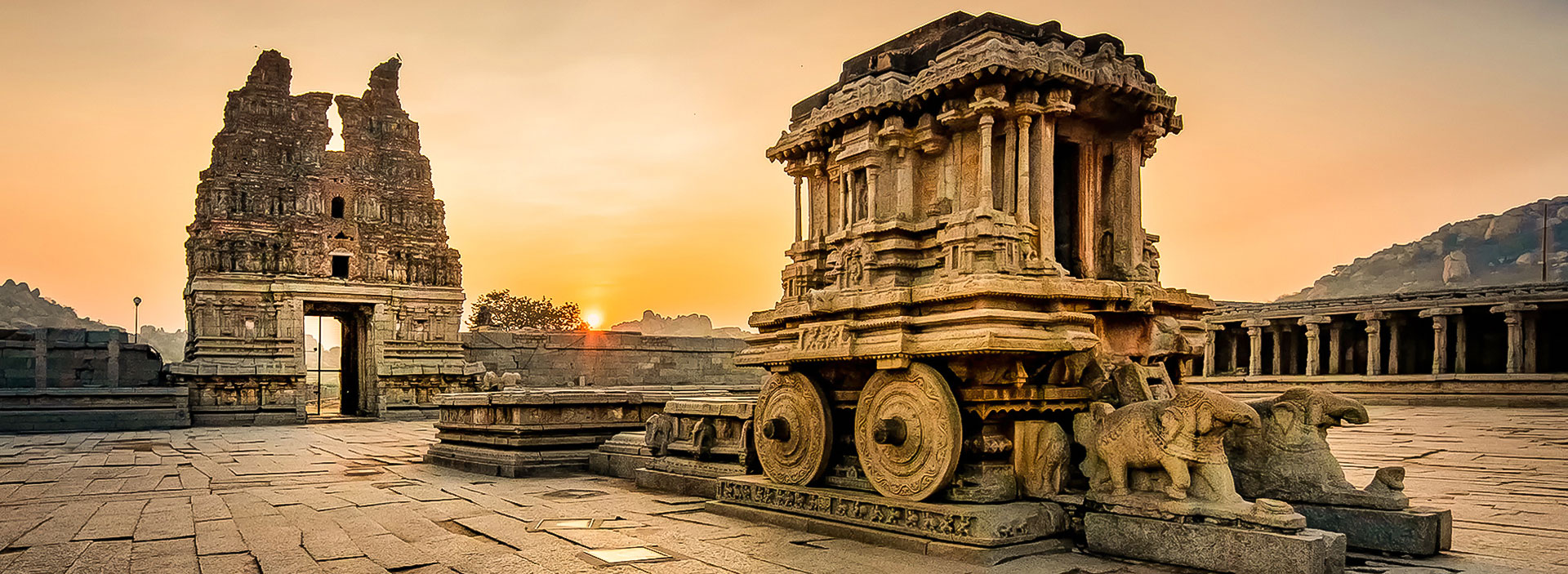
Rural & Heritage Tourism
Any form of tourism that showcases India’s rich life, art, culture, and its heritage at rural locations, thereby benefiting the local community economically and socially as well as enabling interaction between the tourists and the locals for a more enriching tourism experience is classified as Rural & Heritage Tourism
Recognizing the immense potential of Rural Tourism in the country, Ministry of Tourism has formulated National Strategic Roadmap for the development of Rural Tourism and Rural Homestays in India with the vision to leverage this segments latent potential and forge a dynamic, responsible and sustainable tourism environment for rural areas of India. The plan is to develop & promote visits to rural India with a predominant village setting and experience living in a relaxed & healthy lifestyle.
Rural tourism can immensely contribute to development of local economies by boosting employment. The villages of India are also repositories of the country’s culture, tradition, crafts, heritage and agricultural practices. Developing and promoting local products through tourism can generate income and jobs in rural areas and empower local communities, while fulfilling the vision of an ‘Aatmanirbhar Bharat’, a key growth idea in India’s long-term economic vision. India is one of the oldest civilizations in the world and a number of Tourists visit India for its cultural heritage in various cities. The country’s rich heritage is amply reflected in the various temples, majestic forts, pleasure gardens, religious monuments, museums, art galleries, urban & rural sites. Under the umbrella of Heritage Tourism the aim is to augment travel to these destinations
Wildlife/Eco Tourism
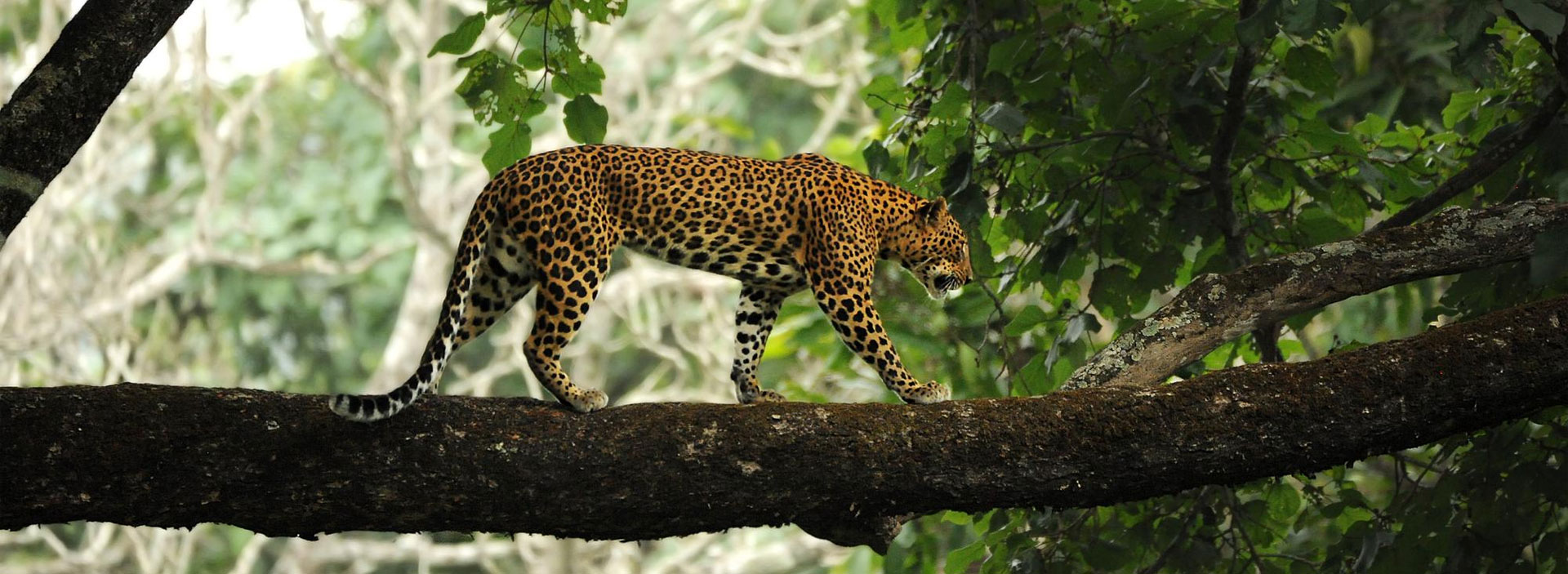
Wildlife/Eco Tourism can simply be defined as responsible travel to natural areas that conserves the environment and improves the well-being of local people.
India has a significant geographical advantage owing to its rich natural & Eco-tourism resources that includes, but is not limited to, 70.0% of the Himalayas, a 7,000 km of coastline, both hot and cold deserts, a 10th in total area under forest cover and its current rank (6th) in terms of the number of recognized UNESCO Natural Heritage sites. There are 53 tiger reserves in India which is home to 75.0% of tiger population in the world. The Government of India has taken a sustained initiative for conserving the tiger, which is India’s national animal, by launching the flagship ‘Project Tiger’ in 1973. Owing to its rich biodiversity the Wildlife and eco-tourism sectors are an effective tool for conservation of forests, biodiversity/ wildlife and scenic landscapes. The natural attractions in India are almost unrivalled in the world, ranging from pristine forests, the snow-clad Himalayas, montane grasslands, deserts, rivers and lakes, wetlands and mangroves, beaches, volcanoes and corals, housing tremendous biodiversity. Besides, we have the mega-fauna consisting of iconic species such as tigers, lions, elephants, rhinos, leopards, wild buffaloes etc. and more than 1,200 recorded species of birds. Wildlife and Eco-tourism is an important source for creating sustainable alternative livelihoods for forest-dependent communities and by generating conservation awareness. Further the sector plays a pivotal role in management of its forests thereby generating a sustainable flow of non-extractive financial benefits of forests for the local communities. Apart from its conservation and economic value, public interest in nature-based rest, relaxation and recreation and Ecotourism led developments is fast increasing. The Ministry of Tourism has also drafted a National Strategy on Sustainable Tourism which focuses on promoting environmental sustainability, protecting biodiversity, promoting economic sustainability and promoting socio-cultural sustainability. The strategy aims to mainstream sustainability into the tourism sector.
Medical/Wellness Tourism
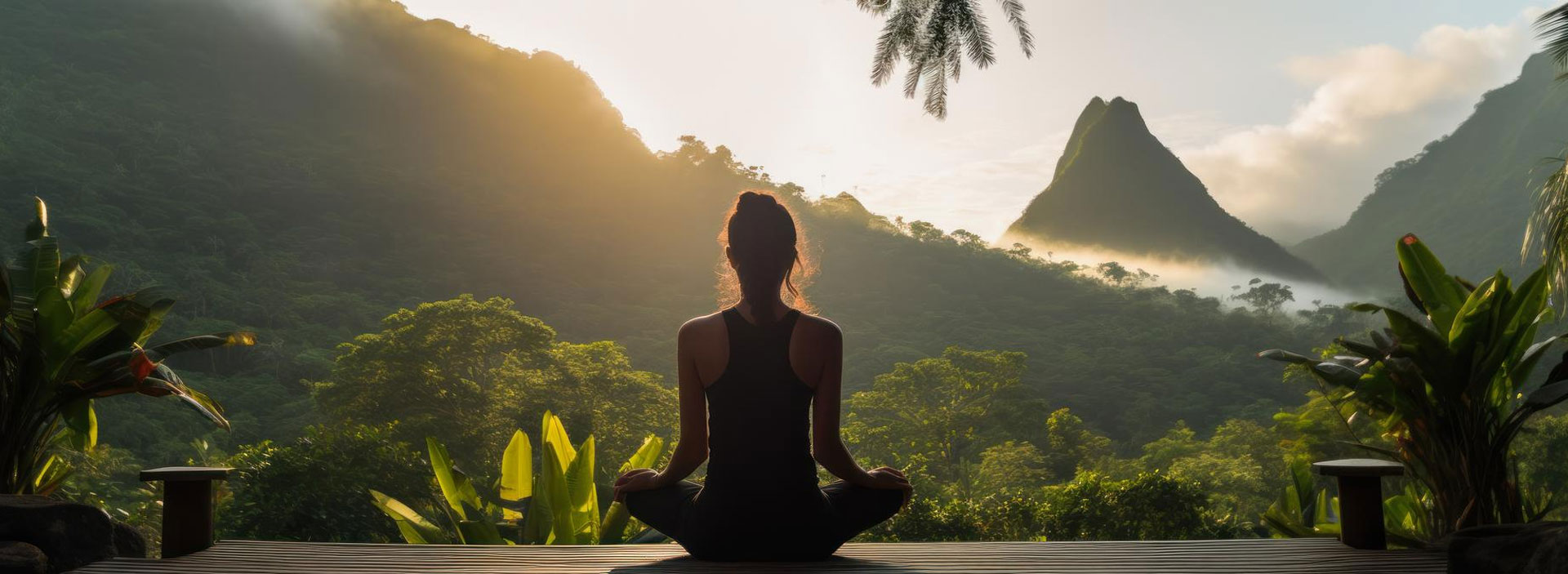
Medical tourism may be defined as ‘activities related to travel and hosting a foreign tourist who stays at least one night at the destination region for the purpose of maintaining, improving or restoring health through medical intervention’
The Medical Tourism Segment consists of tourists seeking specialized medical treatments, ayurvedic cures, yoga, naturopathy, spa sessions & other therapies. The primary purpose is both preventive and curative treatments, maintaining good health & a sense of well-being. India has invested heavily in AYUSH (Ayurveda, Yoga, Unani, Siddha, Homeopathy). Medical tourism and wellness retreats constitute the main reason of visitation of an estimated 21.0% of India’s annual international travellers, capitalizing on top-tier healthcare amenities and traditional healing methods. In order to boost Medical Tourism in the country, the Ministry of Tourism has formulated a National Strategy Roadmap for Medical and Wellness Tourism. The Strategy has identified two key pillars; (i) Develop a brand for India as a wellness destination (ii) Strengthen the ecosystem for medical and wellness tourism. The Indian wellness market is growing at a staggering pace and is set to cross $72 billion by 2025. It is estimated that the market is presently growing at a CAGR of 28%, mainly stemming from growing demand for wellness, healing, and long-term rejuvenation primarily from the domestic travellers. Within the wellness industry, three large segments namely, curative and preventive wellness, hair & skincare and alternate therapy services, account for more than half of the market in India. Cosmetics, slimming services and slimming products continue to be the fastest growing segments within the market. Once believed to be a periphery story in hospitality, the sector is now moving to the core. The government is also extending its support in the form of AYUSH ministry. It’s important to note that its happened first time in the globe when a dedicated ministry has been established in a country focusing completely on alternate healthcare. In a post-pandemic world, there is a growing trend of weekend gateways, taking short-haul breaks, and spending quality time in the midst of nature. This will further help the sector grow at a staggering pace.
Spiritual/Religious Tourism
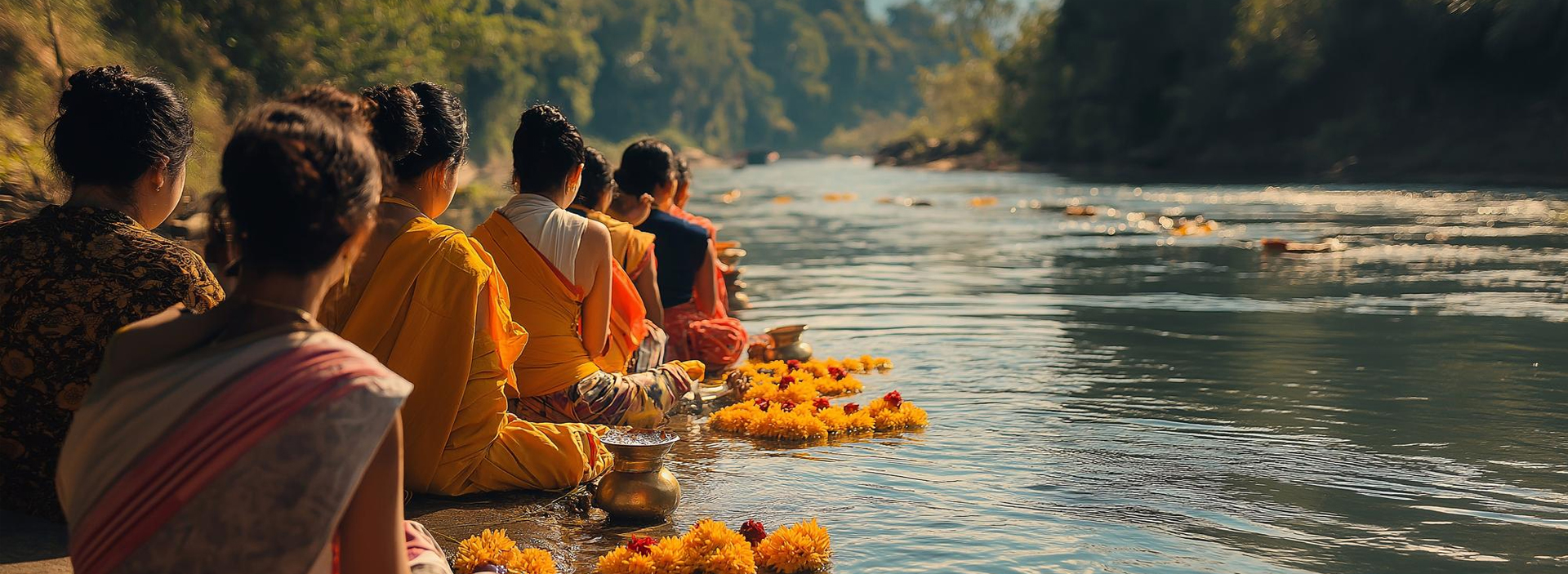
In a post-pandemic world, the concept of spiritual/religious tourism in India is rapidly evolving and gaining popularity across age and economic demographics. The convergence of improved infrastructure, airport/road/rail connectivity coupled with enhanced sanitation and civic facilities management has been instrumental and has acted as a catalyst for the rise of spiritual/religious tourism in India. According to Ministry of Tourism data, religious tourism witnessed 1,439 million tourists in 2022 and the places of religious tourism earned Rs1.34 lakh crore in the same year. The crown in the Jewel is firmly established in the fact that more than 66.30 crore people have visited Prayagraj to attend the Maha Kumbh Mela in Jan-Feb 2025. The sector is expected to generate a revenue of Rs59 billion by 2028, creating 140 million temporary & permanent jobs by 2030. Religious tourism has been on an upward trajectory, projecting a CAGR of over 16.0% between 2023 and 2030.The opening of the Ram Temple in Ayodhya has been a landmark event and since then data indicates that religious/spiritual inclination of Indians has become the fulcrum of growth. Religious/spiritual tourism is today one of the fastest growing sector within the tourism industry, reflecting the increasing interest in cultural, spiritual and faith- based travel. India is home to a multitude of spiritual/religious destinations and a hidden treasure trove waiting to be discovered and experienced by the world.
Adventure Tourism
Adventure tourism is one of the most popular segments of tourism industry. Owing to India’s enormous geo-physical diversity, it has progressed well over the years. Moreover, the Government has recognized Adventure tourism as a niche tourism product to attract tourists with specific interest. As part of India’s tourism policy, almost every state has a definite Programme and defined destinations to identify & promote Adventure tourism. Promotion of camping sites and Glamping have been encouraged. The growth in the segment is encouraged with adequate acknowledgement of its adverse effects on the environment. Besides providing unique rewarding experiences, responsible conduct of camping can be a major source of economic opportunity in remote areas as well as an instrument of conservation. The Ministry of Tourism has created a policy for development and promotion of caravan and caravan camping parks as well.
Destination Wedding & Social Segment
The wedding market is believed to be a multi-billion-dollar industry, encompassing a wide range of services and products. This includes venues, catering, decoration, photography, themed events and entertainment services. The growth of this market can be attributed to various factors such as the increasing disposable income of families, the influence of social media, and the desire for personalized and themed weddings. Many couples have started choose to host their weddings in exotic locations outside their city within India leading to robust rise in themed events. The Prime Minister of India, in 2023 emphasised for Indians to have destination weddings and family celebrations within the country instead of planning one abroad. He also said that just like ‘Make in India’, a new movement called ‘Wed in India’ should be rolled out. Further, increasing awareness of environmental issues has prompted a shift towards sustainable weddings. Eco-friendly decorations, organic farm-to-table cuisines and catering options, and waste management practices are becoming more popular among couples aiming to minimize their environmental impact. It has to be noted that The digital transformation of the wedding industry has been also been significant. Technology has made it easier for couples to plan their weddings while maintaining a sense of connection and involvement from afar. Modern couples are leaning towards personalized experiences that reflect their unique love stories. This trend has led to a rise in exclusive venues, custom decor, personalized vows, and unique entertainment options that resonate with the couple’s journey.

Workcations and Other Segments
The Indian Economic Growth Story coupled with demography dividends have given rise to increased demand for the need for hybrid work environments fueling longer weekday travels along with new-age travelers opting for anchored stays in hometowns, hill stations, beaches, and heritage towns etc. Corporate offsites, team sprints, and leadership retreats replacing some traditional MICE trips are on the rise and expected to grow rapidly in the years to come. Further, the government is planning to boost tourism in India by leveraging lighthouses in the country. There are a total of 65 lighthouses planned for development. These lighthouses will feature museums, amphi-theatres, open air theatres, cafeterias, children’s parks, eco-friendly cottages and landscaping features. Government of India has estimated that India would emerge with a market size of 1.2 million cruise visitors by 2030-31. The Government is planning to set up five cruise terminals in the country and increase cruise ships to 1,000.

Infra Clusters and Long Stay Segment
India is embarking on a transformative journey with the development of 12 new industrial smart cities under the National Industrial Corridor Development Programme (NICDP). These cities are set to become dynamic centres of industry and innovation with a substantial investment augmentation giving rise to latent demand for newer hotels. These new locations along with India’s smart city grid, strategically located along the Golden Quadrilateral, comprising Delhi, Mumbai, Kolkata and Chennai, they promise to drive significant regional development, attract global investments and create need of millions of room nights jobs — marking the beginning of a new era of economic growth and ‘Viksit Bharat’. It is estimated that new development opportunities will emerge in and around key Infrastructure build-outs (renewables, highways, ports, metro rail), data centers, manufacturing clusters and Tier-2/3 industrial belts emerging as high-occupancy markets for midscale and aparthotel formats.

LGBTQ+, Solo Women, Pet-Friendly and Accessibility-Focused Travel Segments
At Prognosis we have had the opportunity and good fortune to witness 30 years of growth in Indian Hospitality. We are of the opinion that there lies a great growth expected in inclusive travel segments such as LGBTQ+, Solo Women, Pet-Friendly and Accessibility-Focused Travel Segments. These segments will lean on destination selection driven by safety, policy clarity, staff sensitivity and features such as step-free access, adapted bathrooms, tactile signage, hearing support coupled with Pet-Centric Segment attractions including, but not limited to Pet-inclusive rooms, curated outdoor spaces, and vet-on-call partnerships. Furter as India get younger and richer features such as Kid clubs, babysitting, family suites, and interconnecting rooms for multigenerational stays will gain popularity and destinations promoting them will gain patronage.
Conclusion
If you have any questions or queries about opportunities in India’s Tourism & growth segments for investments, please connect with us.