
Today as we enter Week 5 of the MEWA conflict, It is certain that going forward, rapid innovations in technology along with low-touch service delivery protocols due to staffing realignment. AI-enabled services will largely transform traditional operating models prevalent in hospitality. Staffing requirements will change. In many ways, automation and self-service will also enable hotels to return to their roots as a ‘customer-first’ industry through staff reallocation. AI automation will perform rote behind-the-scenes tasks instead of a multitude of people. Apart from these changes, some other important questions regarding disruptions that have permanently redefined hospitality needs to be reflected upon.
- Has the change in customer expectations only be limited to implementing new staffing standards?
- Will the new norms shift the old norms of what and who constitutes a family and alter the very core of hotel operations?
- How service delivery protocols are expected to be/have changed?
- Will major transformations in guest psychology result in accelerated process automation?
- Will hospitality be aided by tectonic technological advancements?
It is certain that going forward, rapid innovations in technology along with low-touch service delivery protocols will largely transform traditional operating models prevalent in this part of the world. Staffing requirements will change. In many ways, automation and self-service will also enable hotels to return to their roots as a ‘customer-first’ industry with re allocation of staff in departments. Instead of a multitude of people performing rote behind-the-scenes tasks, AI automation will perform these tasks. Well trained staff will act as ‘Care Ambassadors’ maximizing customer experiences and enabling ‘ease and comfort of guests. The future of guest service delivery will break traditional barriers. Hotels will pivot around servicing the customer’s primal need for well-being and care through their health, safety and hygiene security.
Hotels are likely to witness the emergence of a newer customer, whose daily behaviour and thinking will differ from what it was before the MEWA conflict. The hospitality, travel and tourism have to adapt to these sweeping changes in customer behaviour and buying patterns and primary feeder markets. In this article we present some disruptions that are likely to redefine hospitality in a post-war era.

Personalized Delivery of Low-touch Services
With heightened risk perception, hotel guests of the future will insist on ‘safe’ delivery of all standard services within a hotel. The successful delivery of “low-touch experiences” will be a key driver of patronage and loyalty. Hotels will have to redefine service delivery protocols for the tricky-yet-necessary task of ‘safe & secure” delivering service while minimizing physical touch points. Hotels will need to continue to invest in building and delivering on these evolved needs, enhance AI adoption and re-train old staff to ensure patronage and loyalty from the evolved future traveler.
Shift towards Curated Minimalism
For the Gen Z traveler, needs such as ‘curated’, ‘minimal’, and ‘trustworthy’ will dominate future travel itineraries. True luxury will be in slowing down. Increasingly, less will mean more for the discerning traveler. The future of service is all about customization and personalization – gone are the days of mindless stereotyping of service delivery through untrained casual staff.
Curation of Niche Travel Experiences
Globally, there is a major shift towards exploring new holiday ideas and experiences. The discovery of new destinations in niche markets and thereby increased requirements of new hotels and resorts servicing these niche destinations is witnessing bouncy. Travelers are likely to avoid overcrowded holiday spots. Concerns of ‘overtourism’ have been dismissed for many years in favour of economic benefits. Now, the travel and tourism industry is under pressure to acknowledge over-tourism’s negative impacts. Hotels will also have to re-imagine, re-invent and re-define, on an ongoing basis, to provide a unique but immensely satisfying experience. They will have to relentlessly pursue and continuously seek remarkably uncommon personal experiences for their customers.

It’s All About People! Not just Processes
Successful hotels will be where highly trained staff are highly skilled to offer guests bespoke experiences: meals in distinctive amidst private settings within the hotel; inviting guests to eat in whichever location, at whatever time they feel hungry; and tailoring special experiences and adventures like never done before.
Digital Access Controls Systems (DACS) & Guest Room Automation
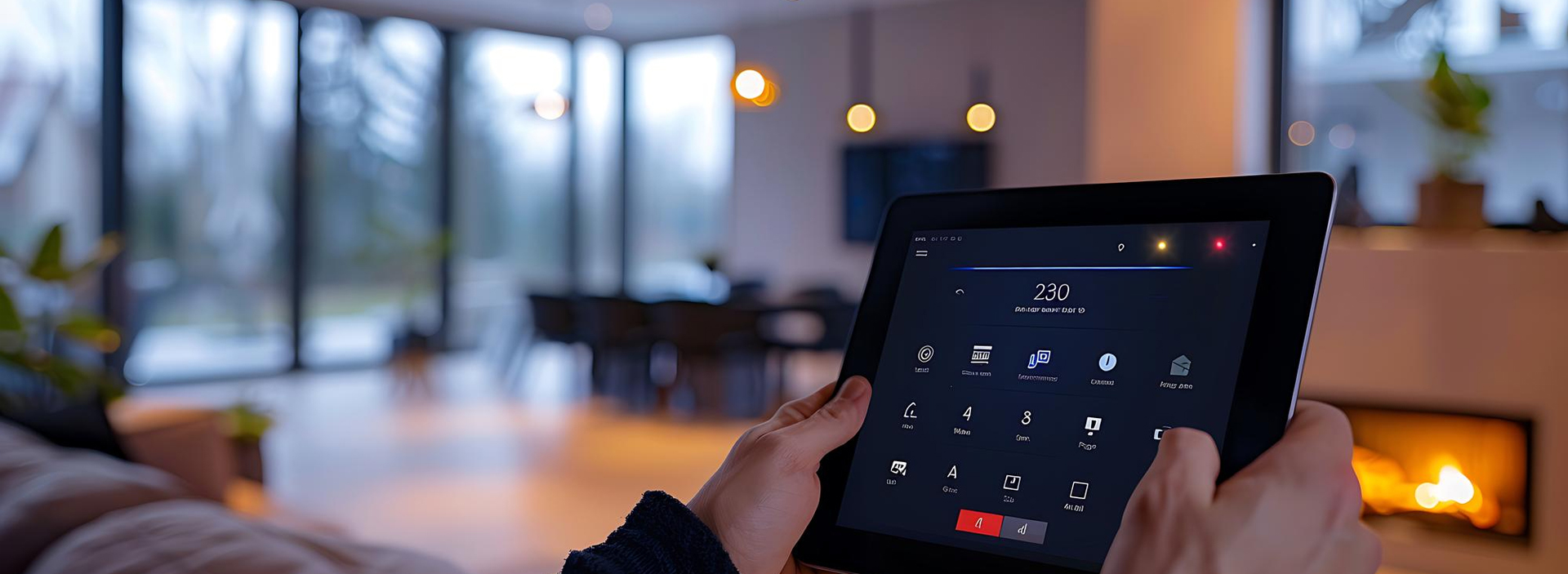
Going ‘keyless’ through digital access control systems will redefine check-ins at hotels and restaurants. Through DACS guests will be able to pick the room or restaurant table of his/her choice based on availability and get straight to the room/table upon arrival with minimal or no interaction with staff. In-room Automation will be integrated with voice technology (Eg: Amazon’s Echo & Alexa and Google Home) to reduce the need for in-person interactions. Increased usage of DACS technology will allow hotels of the future to do away with staid lobbies with static reception desks and free-up staff to engage in contact-less service delivery that will be strictly need based.
Artificial Intelligence, Neural Networks & Machine Learning
In a post COVID-19 world, the use of Artificial Intelligence, Neural Networks and Machine Learning will completely transform the ability of hotels to deliver personalised services. Service delivery of the future will be a function of targeted delivery programs based on guest data using predictive analytics. In Hotels, the usage of neural networks will assist in identifying complex patterns in consumer behaviour through statistical analysis. The role of Artificial Intelligence, Neural Networks and Machine Learning will encompass the entire guest life cycle. Further, travel management which is likely to experience constant requests for change, will be aided by increased use of AI. Hotels will be better equipped to analyse and accurately predict the probability of a certain outcome based on data analytics and present solutions to proactively mitigate travel risks and improve the overall travel management experience for their guests.
Digital Display Systems
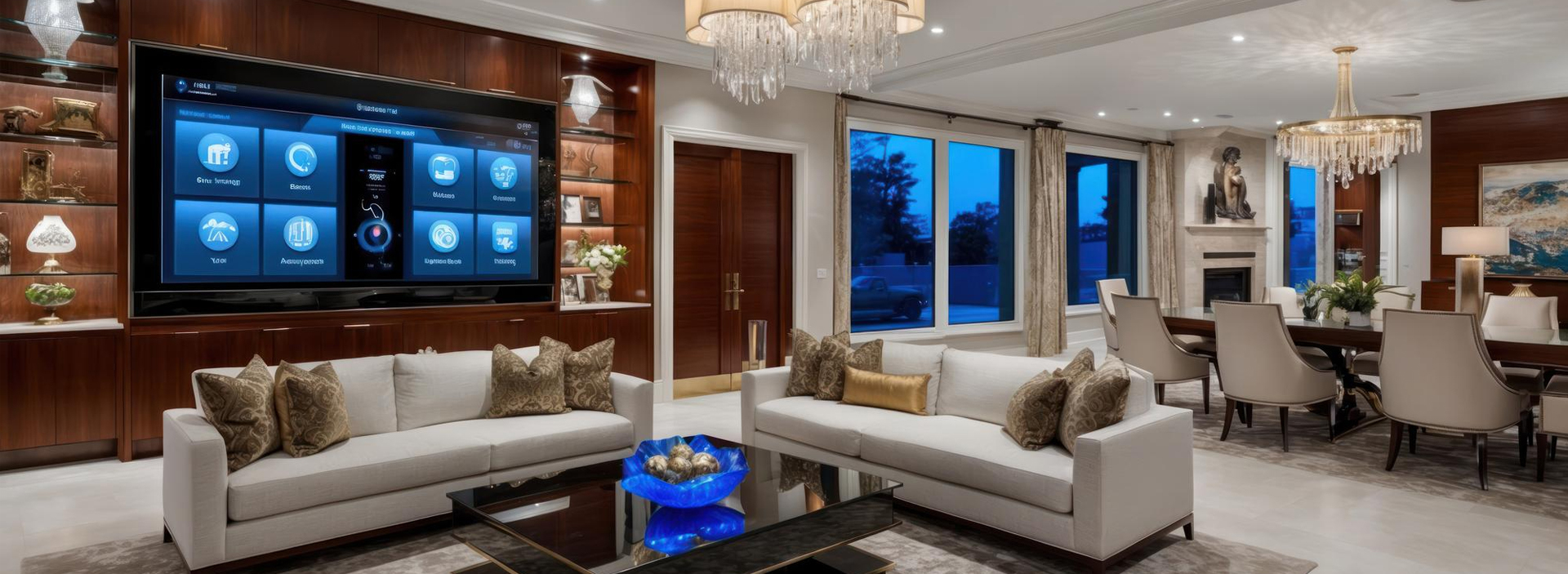
The future of restaurant dining will be dominated by increased usage of interactive smart tables that allows guests to custom select their food and wine preferences and also change their table-top food presentations, pay their bills and much more. Digital Display technology will also take centre stage at Meeting and Conferences venues. RFID badges, registration through QR codes, augmented and virtual reality based product displays, simultaneous multi-lingual virtual transmissions of events will be the new standard at most MICE events.
Robotics & Automated Processes
Robotics will play an increasingly important role in the hospitality industry, primarily because of its ability to carry out traditional people-intensive functions much quicker, more consistently and without the need for in-person interactions. In hotels of the future, Robotics will automate standardized food production assembly lines and significantly reduce dependency on physical contact. Robotics will also be deployed at restaurants to efficiently manage the wine cellars and enhance wine pairing functions. Guest’s preference for food, grape type and region, vintage etc. can be analyzed to recommend the most appropriate wines. Increased use of robotics and process automation will also significantly improve stores management and supply chain functions and potentially save significant costs, eliminate human error and deliver superior efficiencies.
Conclusion
As hotels continue to evolve and adjust to the new post-war normal, they require just as much emphasis on people as on systems and processes. While the adoption of low-touch service protocols and usage of future technologies will continue to grow, the very roots of hospitality will continue to be embedded in the idea of creating immediate and personal engagement that can enhance guest experiences and drive loyalty. This is unlikely to change. Personalized customer service delivery will always continue to remain at the core of the hospitality sector and guests will always find solace in the human smile and warm ‘touch’ of services.
While technology can drive efficiencies and deliver reduced costs through back of the house automation, energy management and power conservation, guest services and interactions should be left to trained employees, who do it in the best way! Let us remember what Pericles, the influential Greek statesman, orator and general of Athens during its golden age said “It’s not our task to predict the future, but to be well-prepared for it.”